Dota 2 Tier List Rankings
Rank Dota 2 heroes from S to D by role, patch fit, lane strength and the situations where you trust them most.
























































































































Use the Dota 2 Tier List as a draft discussion
The Dota 2 Tier List helps you turn a draft discussion into a plan for lanes, farm, and objectives. Start with the position you are filling and the resources that position can expect. Then ask what your lineup needs: initiation, protection, wave control, or pressure on buildings. The order is a reference built from submitted rankings, and your draft priorities can differ. Upper rows offer a useful place to begin comparisons, while neighboring rows help you explore alternative ways to perform the same job. Bring the expected lane pairing and the first important timing into the discussion before settling on a pick.
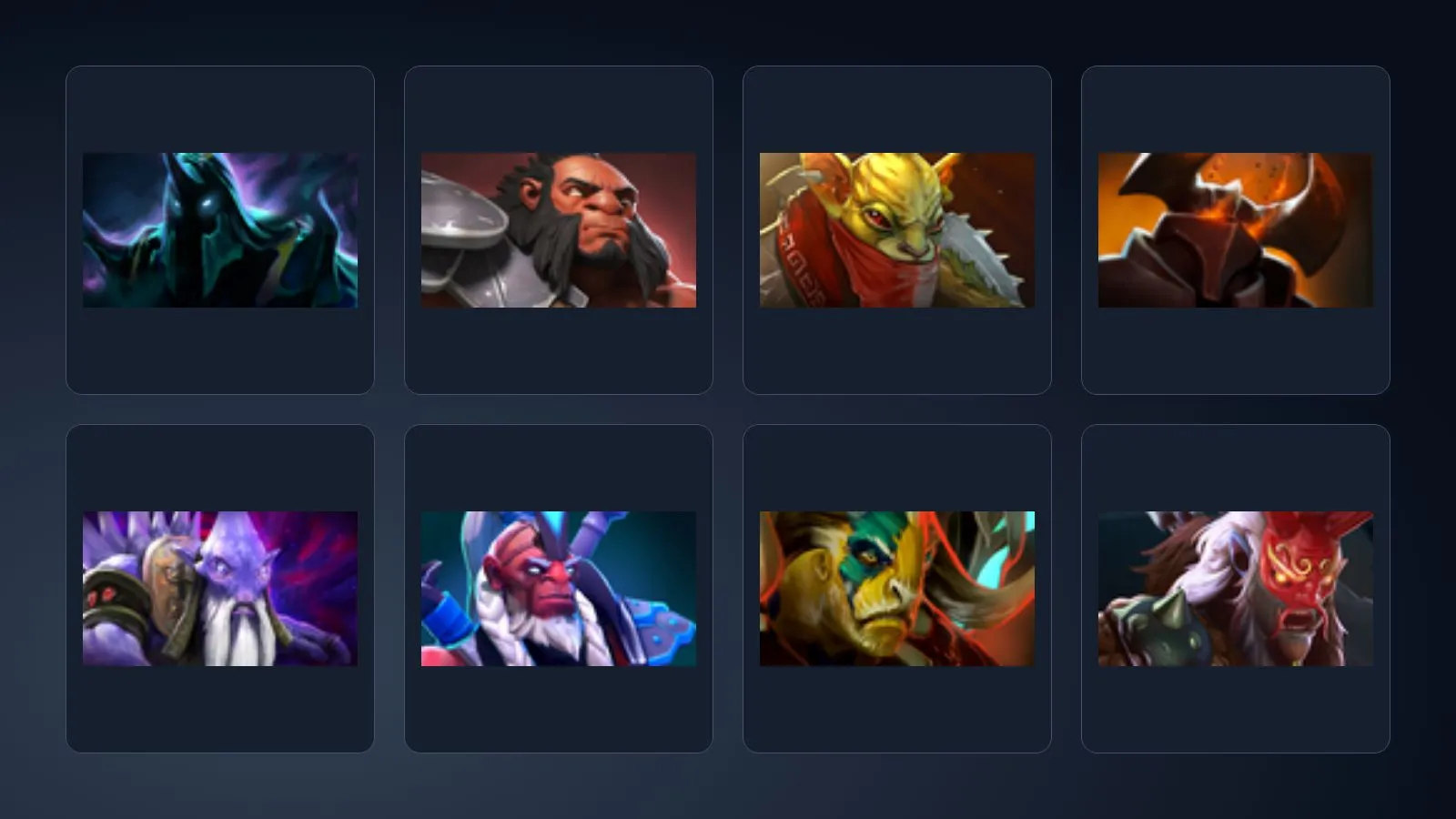
Ask a different question at each reference boundary
Read each boundary through position, lane support, and the first timing your lineup wants to use. Compare the actions a hero enables before and after a fight, including the resources needed to make that plan possible.
Draft reading | Check before agreeing | |
|---|---|---|
| S | Investigate the upper group for dependable influence. | What draft support is needed to turn that influence into objectives? |
| A | Look for a condition that separates strong alternatives. | Does the lane pairing or opponent lineup expose a meaningful drawback? |
| B | Inspect the middle for a specific team job. | Would a clearer initiation, defense, or damage plan increase practical value? |
| C | Identify how the game could become difficult. | Does the option struggle when space, farm, or protection is unavailable? |
| D | Check whether a narrow draft changes the judgment. | Is this an unfavorable general case or simply a poor fit for your plan? |
Read the map through timing, not just a finished item build
Two lineups may both look convincing once everyone has their preferred items. The harder comparison concerns the minutes before that point. One group may need to protect farming space while another wants to force early engagements. When you inspect the Dota 2 Tier List, ask what your team can realistically do when its first important abilities and items become available.
Review a draft disagreement in three passes
Begin with an observable team problem so the ranking discussion produces something more specific than a preferred row.
Describe the missing action
01Say what your lineup needs to accomplish: start a fight, protect a vulnerable ally, defend a push, or threaten an objective after a pickoff. Include the stage of the game. Avoid beginning with the conclusion that one favorite must be moved higher.
Compare under equal conditions
02Compare heroes for the same position with similar farm and lane support. Watch what each can do at the timing your team wants to contest. Include initiation, objective pressure, and recovery after a lost fight so the comparison covers more than a developed item build.
Revise the reference narrowly
03Remix the ranking around the situation you tested. Adjust the choices affected by your observations and explain the role, timing, and support you assumed. Open the Maker when you want to evaluate the available options from your own starting point.
Plan how the lineup plays from behind
A draft needs actions it can take after a difficult lane. Identify who can defend a tower, create a safe area to farm, or threaten a pickoff while the main damage source catches up. Those contributions help separate a robust plan from one that depends on winning every early trade. Return to the Dota 2 Tier List when your regular group repeatedly runs out of useful moves after the first setback. Compare choices with the resources they would actually receive in that position. After a patch, review changes to abilities, items, and timings that affect your plan, then practice the revised sequence with your lane partner. When you compare heroes, include what happens after an engagement. A successful initiation should lead to something the team can secure: a tower, access to a useful area, or time for a core to farm safely. Consider the health, cooldowns, and wave positions left after the fight. If the team wins an exchange but must immediately retreat, identify what would let it maintain pressure. Use the Dota 2 Tier List to compare the missing contribution within your intended position. A clear objective plan also helps settle disagreements between teammates who value different timings: specify when the group wants to act and what support makes that action possible.